Last updated November 21, 2026
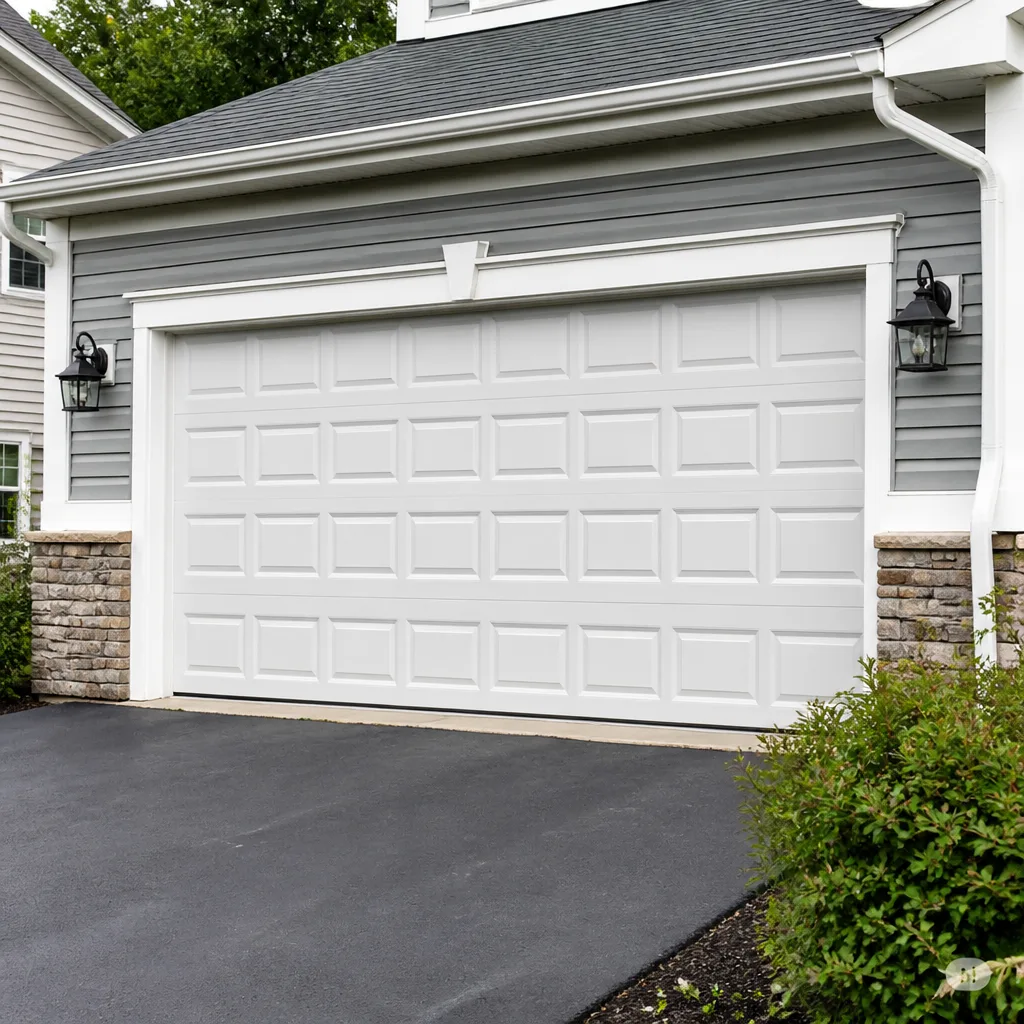 Raised-panel steel
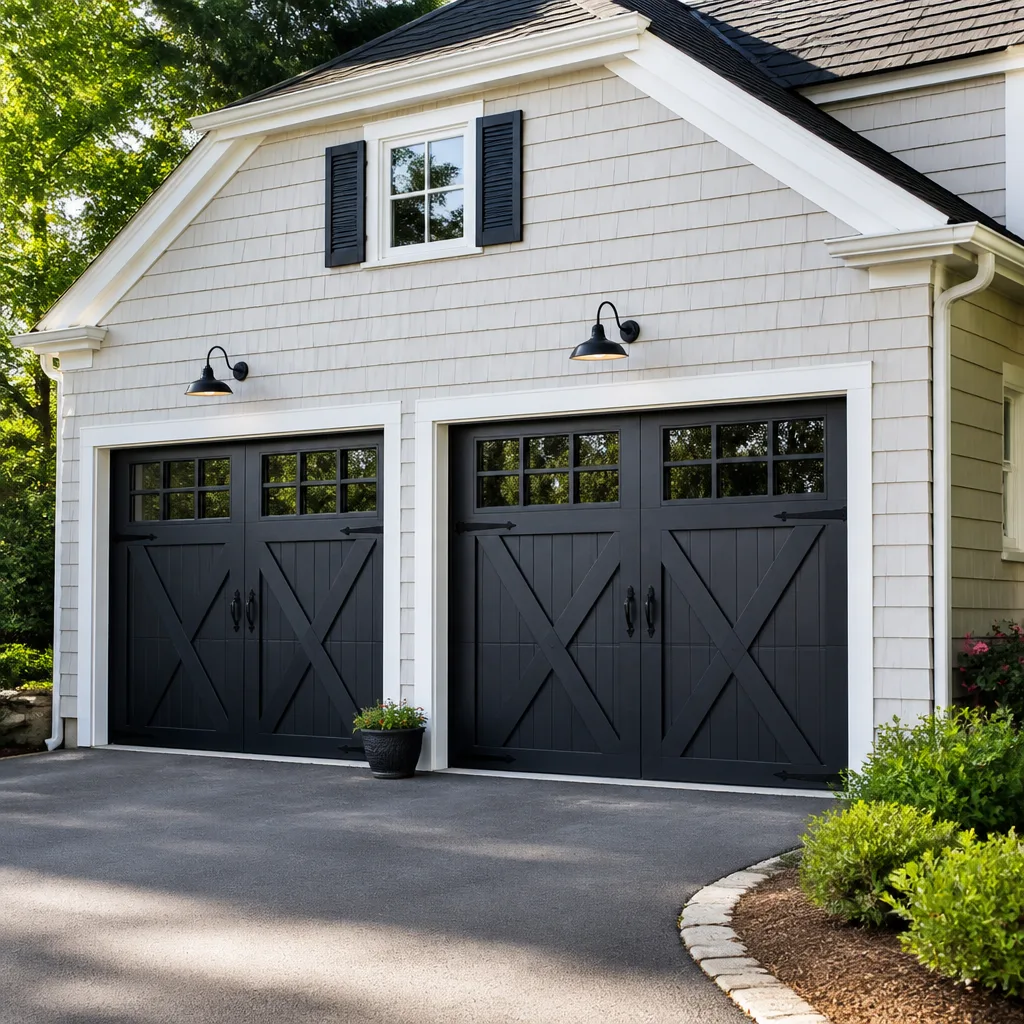 Carriage house
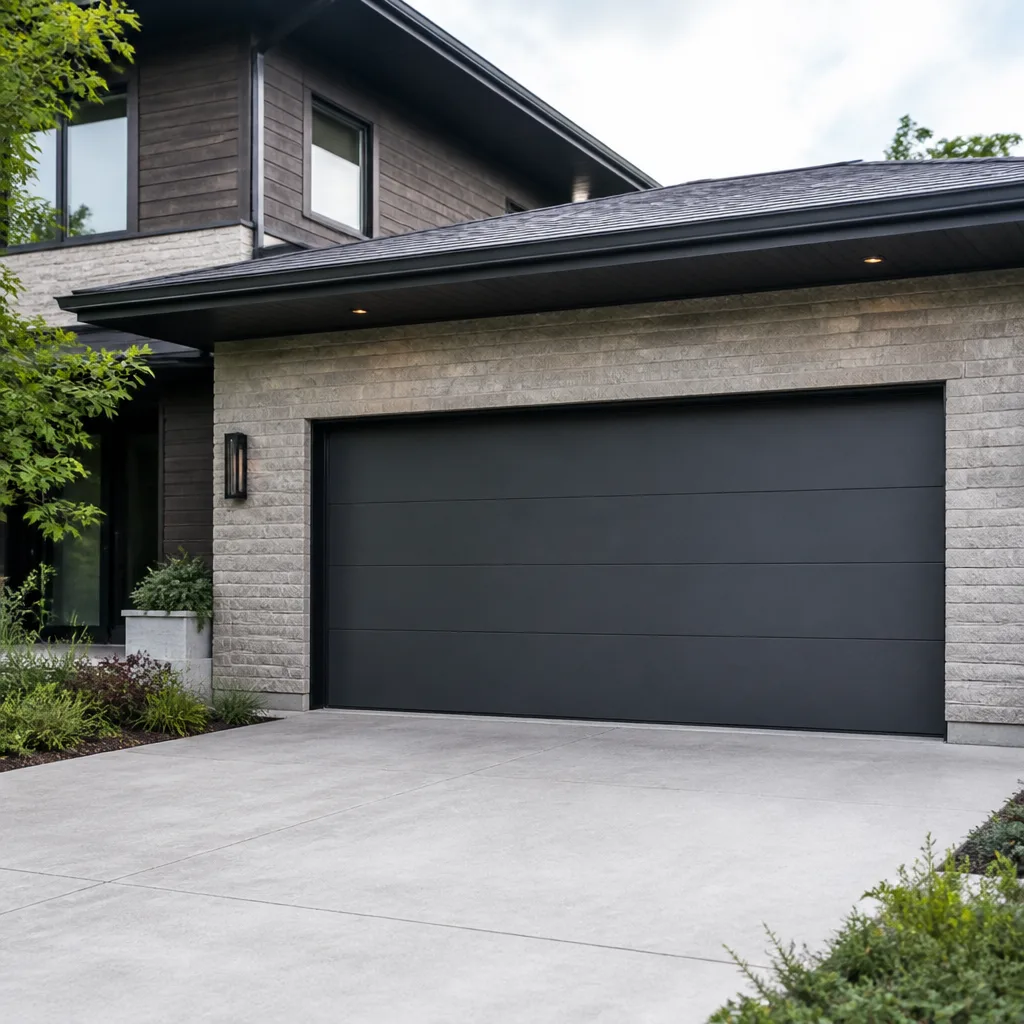 Modern flush
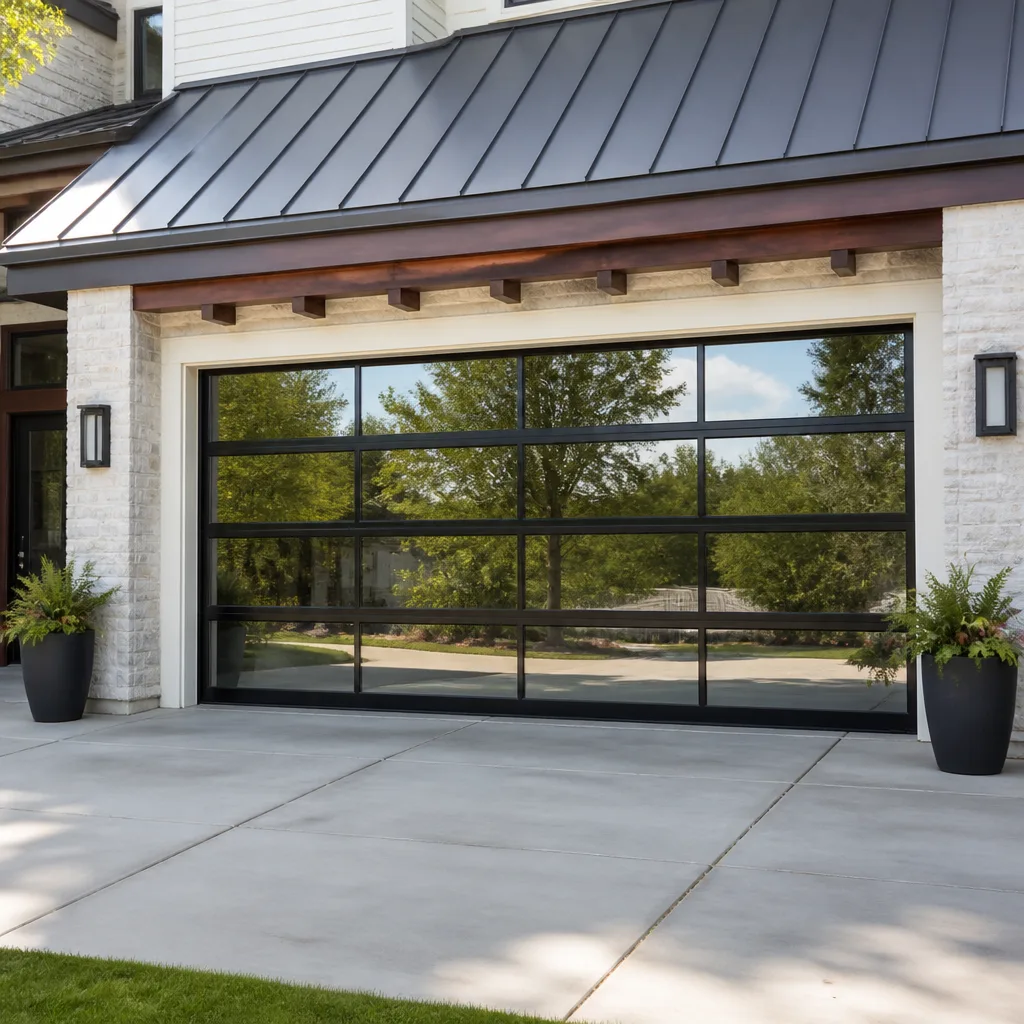 Full-view glass
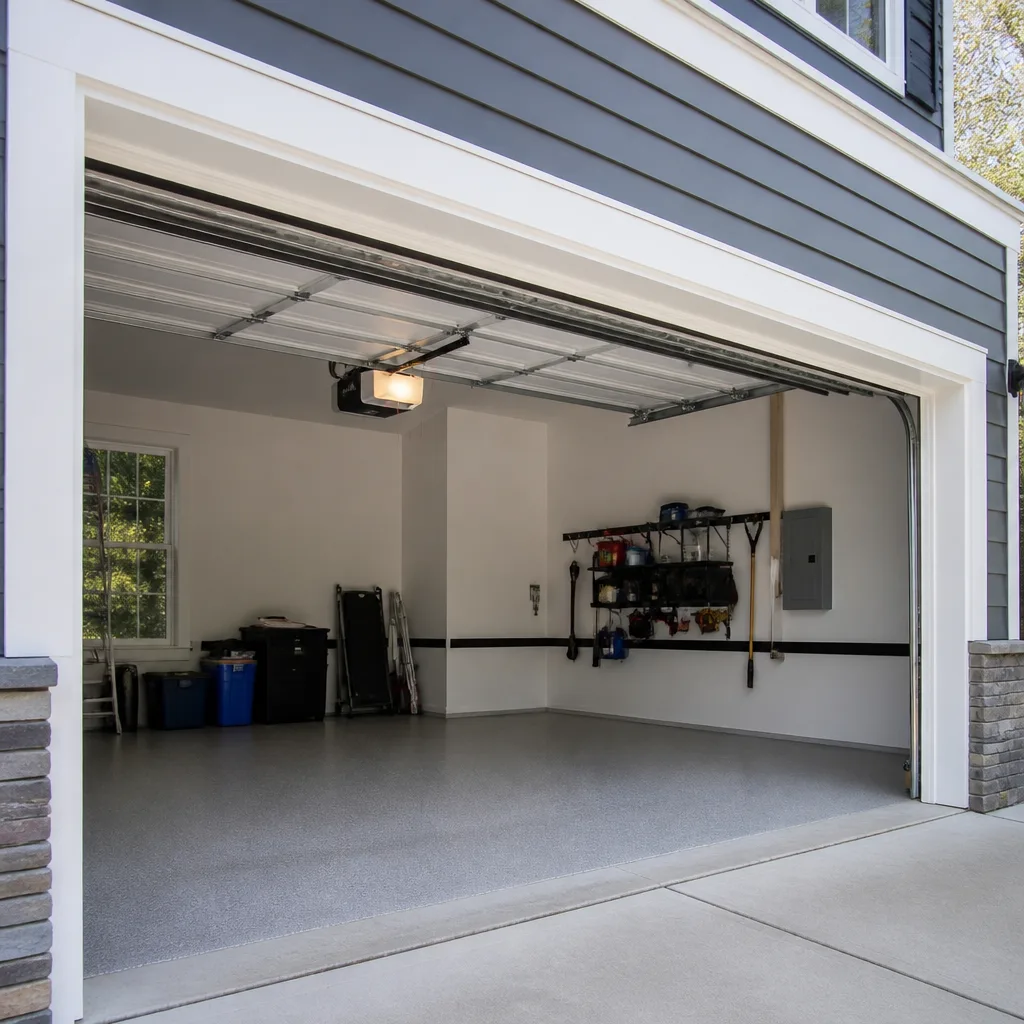 LiftMaster openers
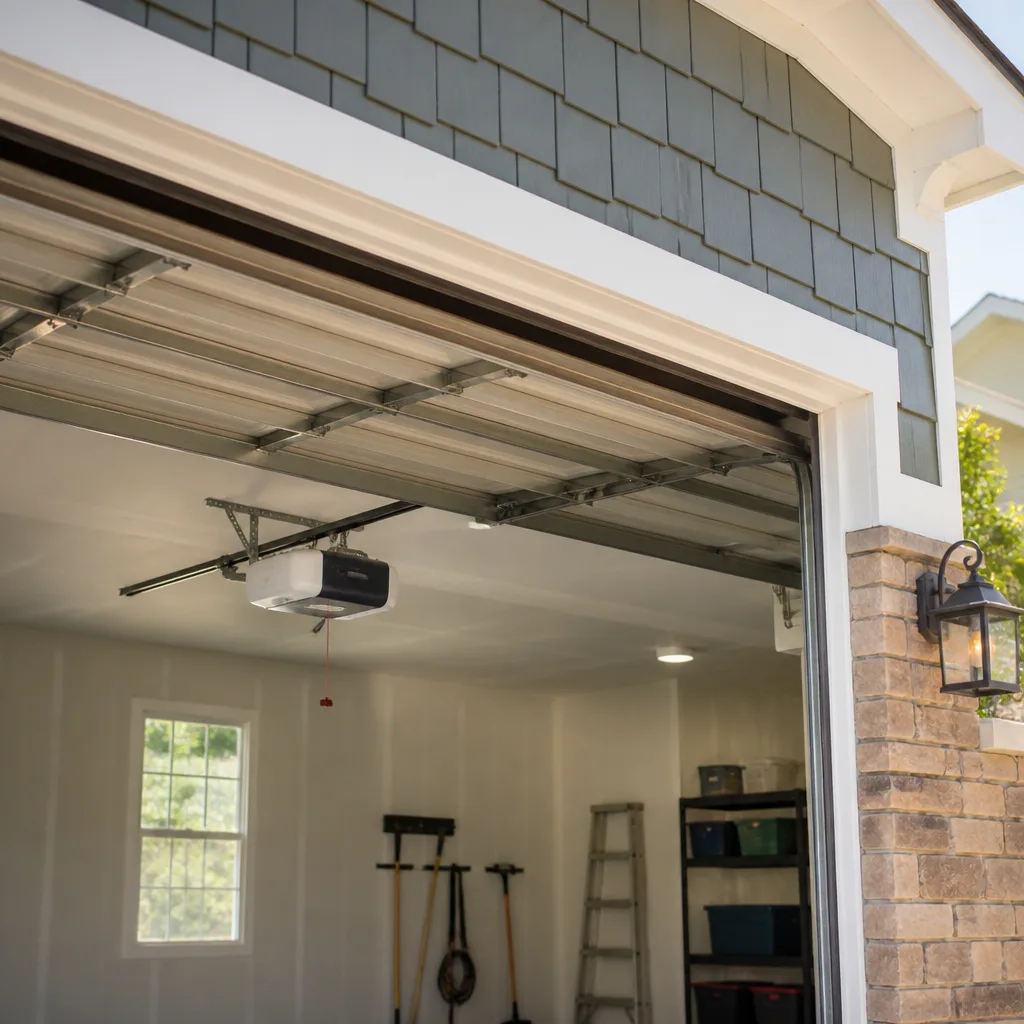 Chamberlain openers
Full 25-point door and opener safety check with every visit - springs, cables, rollers, tracks, and your LiftMaster or Chamberlain opener included
You get a price before we start. It does not change when the pro arrives.
Get your free estimateDIY vs Professional Garage Door: The Clearwater Homeowner’s Decision Guide
Torsion springs store enough energy to cause permanent injury in a fraction of a second. That’s not a scare tactic. It’s the reason even experienced general contractors hand spring work to a specialist. The line between DIY and professional on a garage door isn’t pride or budget, it’s physics. Some jobs on a door are genuinely yours to take on. Others carry a risk profile where the only rational choice is a trained technician. This guide breaks that line down task by task, explains how Clearwater’s heat and humidity change the work, and shows you what to do before anyone arrives so the job goes faster and costs less.
Quick Answer
In Clearwater, the garage door jobs that are genuinely safe to do yourself are limited to cleaning, lubricating, balancing the door by hand, and replacing remote batteries or photo-eye alignment. Anything involving torsion springs, cables, bottom brackets, or the high-voltage side of an opener is professional territory because a mistake on those parts can injure you badly. Everything in between, like weather seals, rollers, and panel replacement, is doable with the right knowledge but usually goes faster and cleaner with a technician who has done it before.
Styles & brands we work with
- Raised-panel steel
- Carriage house
- Modern flush
- Full-view glass
- LiftMaster openers
- Chamberlain openers
Table of Contents
- Why Garage Door Work Is Different From Other Home Repairs
- The Three Tiers: DIY-Safe, Risky-But-Doable, and Non-Negotiable
- How Clearwater’s Heat and Humidity Change the Job
- The Real Cost of a DIY Mistake on High-Tension Parts
- How to Tell If a Repair Video Matches Your Door and Climate
- Prep Work to Do Before a Technician Arrives
- What Brand Fluency Actually Changes
- Common Mistakes to Avoid
Why Garage Door Work Is Different From Other Home Repairs
A garage door is the largest moving object in most homes, and it runs on stored mechanical energy rather than electricity alone. That’s the core difference from painting a wall or swapping a faucet. When a torsion spring winds, it holds tension that can release instantly if a cable slips or a bracket lets go. Standard residential springs are wound to hundreds of pounds of force, and that force doesn’t care whether the person standing under it has watched a tutorial.
Extension springs, common on older doors throughout Clearwater, carry a similar risk. They stretch along the horizontal tracks and can whip if a safety cable is missing or rusted through. A door that “just needs a spring” is never a job to approach casually.
There’s a second layer of risk that gets less attention: the opener. The motor itself runs on household current, and the control board, capacitor, and wiring inside the housing are not something to poke at with the power on. If a door won’t respond to the remote, the fault could be a dead battery, a misaligned safety sensor, or a failed logic board, and diagnosing which one requires a meter and the knowledge to use it safely.
In our experience, the homeowners who get hurt or create a bigger repair are rarely reckless. They’re capable people who assumed a garage door behaves like a cabinet hinge. It doesn’t. Understanding which parts store energy is the first step to knowing what you should and shouldn’t touch. For the repair side specifically, our garage door repair team works on all of these components daily and can walk you through what’s safe to handle yourself.
The Three Tiers: DIY-Safe, Risky-But-Doable, and Non-Negotiable
The most useful way to answer the DIY question is task by task. Not every garage door job belongs in the same risk category, and treating them all as either “easy” or “dangerous” leads homeowners to either waste money or take real chances. Here’s how the work breaks down in a Clearwater home.
Tier 1: Genuinely DIY-Safe
These tasks involve no stored tension and no household current, and a mistake won’t hurt anyone.
- Lubricating hinges, rollers, and tracks with a garage-door-specific lubricant rather than general-purpose oil.
- Wiping down panels and tracks to remove grit and dust.
- Replacing remote control and keypad batteries.
- Clearing obstructions and realigning the photo-eye sensors at the bottom of the tracks.
- Testing the door’s balance by hand: disconnect the opener and lift the door partway to feel for resistance or drift.
- Tightening visible track bolts with a socket wrench when the door begins to rattle.
Tier 2: Risky-But-Doable With Real Knowledge
These jobs don’t involve spring tension directly, but they require understanding how the door’s geometry works. Do them only if you’re comfortable with tools and have read the door manufacturer’s service documentation for your specific model.
- Replacing bottom weather seals and side trim.
- Swapping worn nylon rollers for new ones.
- Replacing a damaged panel on certain panel-style doors.
- Adjusting the opener’s travel limits and force settings.
- Replacing a wall-mounted push button or adding a second remote.
Tier 3: Non-Negotiable Professional Territory
These jobs carry enough stored energy or electrical risk that a trained technician should handle them every time, and this is where the DIY decision stops being a choice.
- Torsion spring replacement. The spring above the door is wound to hundreds of pounds of tension. The winding bars and technique required are not something to learn during the job.
- Extension spring replacement. These stretch along the side tracks and, if a cable or safety restraint fails, can snap with force.
- Lift cable replacement. Cables run under load and any misrouting can bind, snap, or let the door drop.
- Bottom bracket and drum work. Even with the spring de-tensioned, these parts hold cable load.
- Opener control board, capacitor, and motor repair. Anything inside the opener housing that requires opening it feeds from household current and should be done with the circuit off.
- Full door replacement. A door is heavy, comes in specific panel sizes, and the track and header bracket must be aligned precisely to avoid binding and premature wear.
If you’re looking at a Tier 3 job, that’s exactly when it’s worth calling a specialist rather than risking it. Our garage door opener repair technicians diagnose opener faults without guesswork, and our spring specialists work with the tension safely released before any part comes off.
How Clearwater’s Heat and Humidity Change the Job
Clearwater’s climate is mild by national standards, and that’s a factor in the DIY question. Mild winters mean the door cycles year-round without the deep cold that would otherwise increase freeze-related wear. But the heat and humidity still leave their mark, and it changes which tasks are truly easy and which aren’t.
Adhesive seals. Bottom weather seals and threshold adhesive strips go down cleaner in cooler, drier conditions. In Clearwater’s summer humidity, an adhesive strip applied to a heated concrete floor will often lift within weeks, especially if the surface wasn’t prepped properly. That’s a job that looks simple and isn’t. Getting the surface and timing right matters more here than in a dry climate.
Painted hardware. Bolts, brackets, and track attachments that have been painted or coated can seize up over time. A bolt that turns easily on a new door may need penetrating oil, patience, and a breaker bar on a door that’s been in the same Clearwater garage through several humid seasons. If you’re going to try a Tier 2 repair, expect to spend more time on fasteners than the video shows.
Lubrication timing. In a hot garage, lubricant breaks down and migrates faster. A spring service interval that would work in a cooler climate may need shortening here. That’s not a fix you’d DIY on the spring itself, but it’s a reason to have the whole system checked at least once a year so that a cheap lubrication job doesn’t turn into an expensive spring replacement down the line.
Rubber and seal degradation. Heat ages rubber seals and the weatherstripping around panel edges. A door that’s working fine mechanically can still leak water and air around the perimeter, and that’s a sealing job a homeowner can usually take on with the right materials. If you’re unsure which parts to buy, a quick call to our team can point you in the right direction.
This is where the DIY decision gets nuanced. In Clearwater, some tasks that look easy on a video are harder because of the climate, and some that look intimidating are unchanged. If you’d rather not sort it out yourself, Clearwater Garage Door Repair Co handles everything from single-part repairs to full replacements.
The Real Cost of a DIY Mistake on High-Tension Parts
A DIY mistake on a spring or cable rarely just costs you a wasted afternoon. It typically costs the original repair plus whatever the door needs after the mistake, and sometimes it costs a hospital visit. That’s the honest framing of the tradeoff.
The most common DIY spring outcome isn’t a dramatic injury. It’s a stripped winding cone, a bent torsion bar, or a door that comes off its tracks because the tension was released unevenly. Any of those turns a one-spring repair into a multi-part repair. Our technicians have up to 12 years of experience, and the callbacks we get from homeowners who tried the job first usually involve parts beyond the spring itself.
Compare the risk on the two sides of the line:
- Professional spring repair. A single spring replacement has a typical, predictable cost, and the written estimate sets the final price before work starts.
- DIY spring attempt gone wrong. The cost of one spring, plus the cost of a second spring if a matched pair goes out of balance, plus damage to the torsion bar or door panels, plus the risk of injury.
If a door drops off its tracks because a spring was released improperly, that’s a full repair that starts with setting the door back on rails and checking the panels for bending. If a cable or bracket fails while you’re working, the risk isn’t money, it’s your hands or your head. For a job with that profile, the cost of hiring a specialist isn’t the “expensive option.” It’s the cheapest path.
We quote and agree a price in writing before any work starts on a spring or cable job, and we’ll tell you honestly when a task is worth handling yourself. It’s not in our interest to sell you a repair you don’t need.
How to Tell If a Repair Video Matches Your Door and Climate
Half of the DIY garage door mistakes we see start with a video that looked helpful but was filmed on a different door. Not every door is built the same, and the climate in the video isn’t your climate. Before you follow a tutorial, run through these checks.
- Match the door type. A sectional door with torsion springs, a sectional door with extension springs, and a one-piece tilt door have completely different mechanisms. The video must match yours, not just “a garage door.”
- Match the spring type and position. Torsion springs sit above the door, extension springs run along the sides. A torsion winding tutorial is not the same job as an extension spring swap.
- Note the brand and model. LiftMaster, Chamberlain, Genie, Clopay, Amarr, Wayne Dalton, Craftsman, and Raynor all have their own parts. A trick that works on one opener’s travel limits may not apply to yours.
- Check the climate. A video filmed in a dry, cold region won’t reflect Clearwater’s humidity. Adhesive work, seal replacement, and lubricant cycles all behave differently here.
- Check the year of the design. A door or opener from a different era can have parts that look similar but adjust differently from your own.
- Confirm it’s not a different height or width. A door of different dimensions uses different spring sizes. Sizing is not interchangeable.
If the video is on a door that doesn’t match yours, stop. That’s the honest answer. A better call is to describe your door to a technician and get a repair plan that actually applies to your hardware.
Prep Work to Do Before a Technician Arrives
This is where a homeowner can genuinely save time and money without taking on any risk. A few minutes of prep before the technician arrives makes the visit faster and, on some jobs, keeps the cost down. Every one of these steps is DIY-safe.
- Clear the garage floor. Move anything directly under the door so the technician can work safely. Getting a car moved out ahead of time is the single biggest time saver.
- Disconnect the opener if the door is stuck. The manual release cord lets you lift the door by hand, and it prevents the opener from fighting the door when the technician starts. Only do this when the door is in the down position and no one is underneath it.
- Note what changed. Write down when the door started making noise, whether it binds at a certain height, and whether the opener clicks or goes silent. This short history saves diagnostic time.
- Collect your remote and keypad. If the issue is responsiveness, the technician needs to test the actual controls you use, not just the wall button.
- Note the brand and model if visible. A look at the opener housing or the service tag on the door saves the technician having to identify the hardware from scratch.
- Test the door by hand carefully. With the opener disconnected, lift it partway and feel for resistance. Note the height where it binds, then let it back down. Don’t force it.
- Check for visible debris. A pebble in the track or a dropped tool near the rollers can cause intermittent binding. Clearing that out is safe and can solve small issues outright.
On a spring replacement or opener repair, this prep is directly useful. On a full replacement, the technician will want to measure and see the door full-width, so clearing the garage floor matters even more. If you’re planning a replacement in the future, our garage door installation team can measure up and provide a written estimate, and the measure-up is always free.
What Brand Fluency Actually Changes
Garage doors and openers aren’t interchangeable. Each manufacturer designs its own spring geometry, its own opener control logic, and its own service procedures. A technician who has worked on LiftMaster and Genie units will recognize a control board issue from the symptom. A technician seeing the brand for the first time is guessing, and guessing costs time and sometimes parts.
We’re trained on eight major brands: LiftMaster, Chamberlain, Genie, Clopay, Amarr, Wayne Dalton, Craftsman, and Raynor. That matters to the DIY decision because it changes the advice you get. If you’re standing in a Clearwater garage with a Craftsman opener that won’t travel down to the floor, we can tell you over the phone which sensors to check and whether it’s worth attempting. If it’s a Clopay door with a panel issue, we can tell you whether the panel is a straight swap or needs the section out to inspect the track.
Brand neutrality is a real thing, not a slogan. If a technician arrives representing a particular product line, the recommendation tends toward that product line. If the technician is trained on many brands and carries none in particular, the recommendation follows what the door actually needs. For a homeowner trying to figure out what to do next, that distinction is worth asking about. The brand on the door shouldn’t determine the repair plan, but the technician’s familiarity with it should.
Common Mistakes to Avoid
- Winding a torsion spring without the right bars. Screwdrivers and long bolts slip, and the stored energy releases in a fraction of a second. Only proper winding bars and an experienced hand belong on a torsion spring.
- Removing a bottom bracket without releasing the cable tension. The bottom bracket holds the lift cable under load even when the door is down. It’s the mistake that leads to the most serious injuries, and no DIY video is worth it.
- Applying adhesive weather seal in peak summer humidity. Here in Clearwater, an adhesive strip on a hot concrete floor can lift within weeks. Prep the surface, apply in cooler conditions, and check adhesion again after the first hot week.
- Using general-purpose oil on tracks. Oil attracts grit and gums up rollers. Garage-door-specific lubricant is what the moving parts are designed for.
- Adjusting the force setting too high to compensate for a sticking door. This masks the underlying problem and forces the opener to work past the door’s actual weight. A properly adjusted door runs smoothly on the default settings.
- Following a video filmed on a different door height. Spring sizes and track lengths aren’t interchangeable. Always match the model and dimensions before trying a repair.
- Assuming a noisy door means a failing door. In a Clearwater garage, the most common cause of noise is dry rollers and hinges, not a failing component. Lubricate first, then observe before calling it a repair.
See the difference
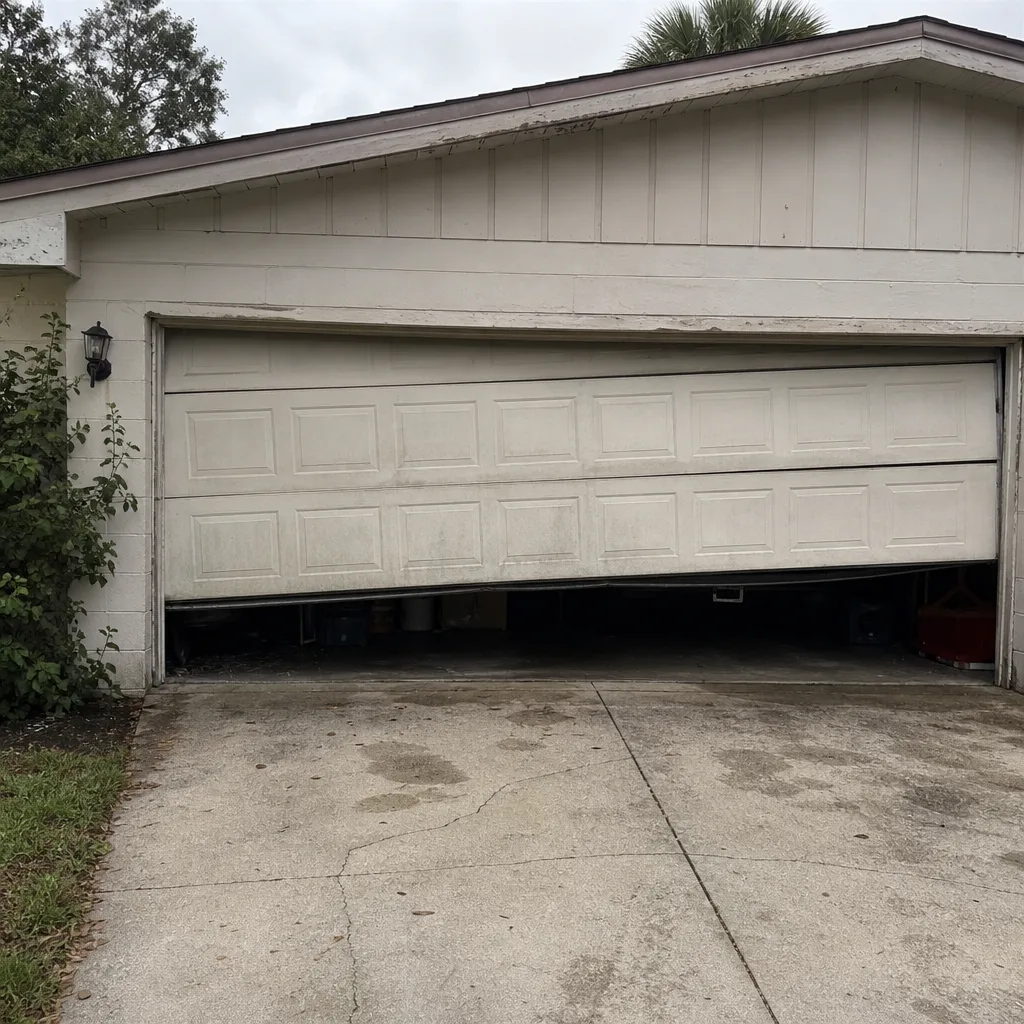 Before
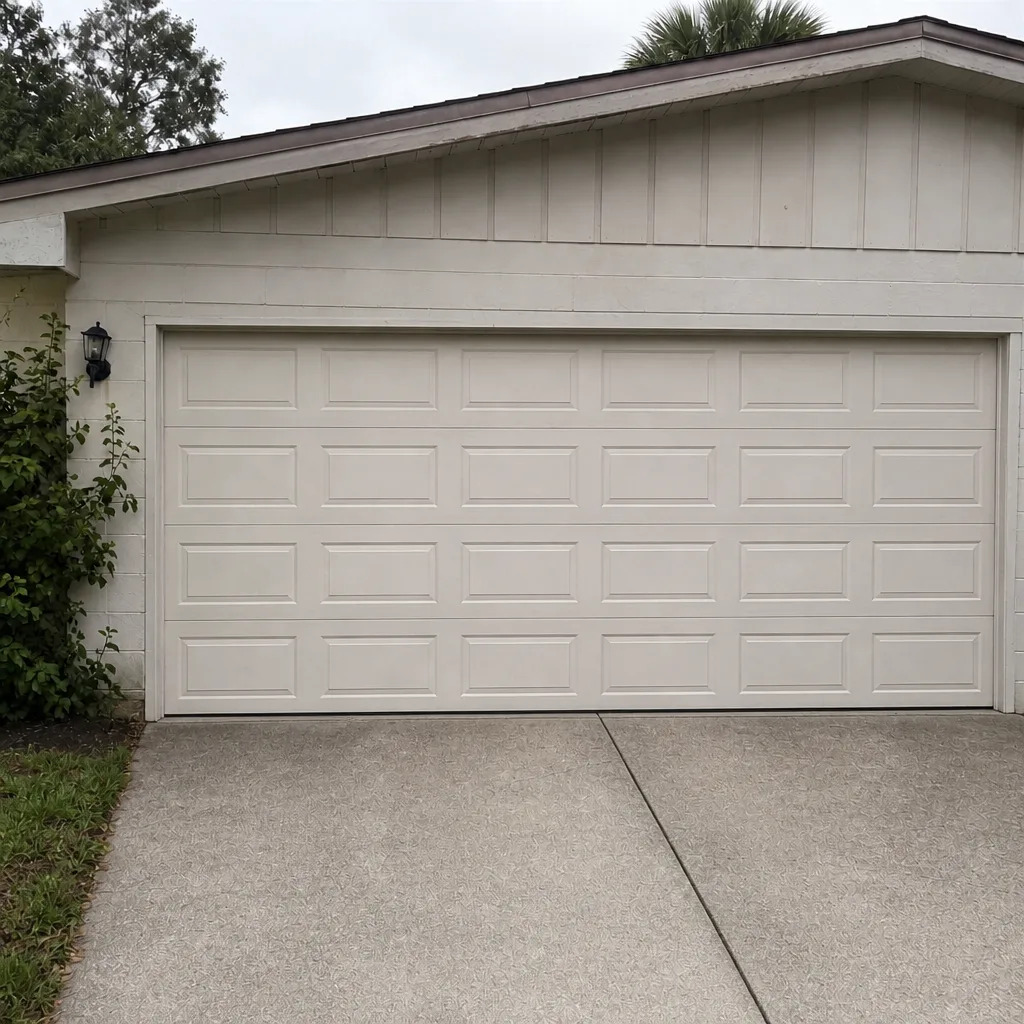 After
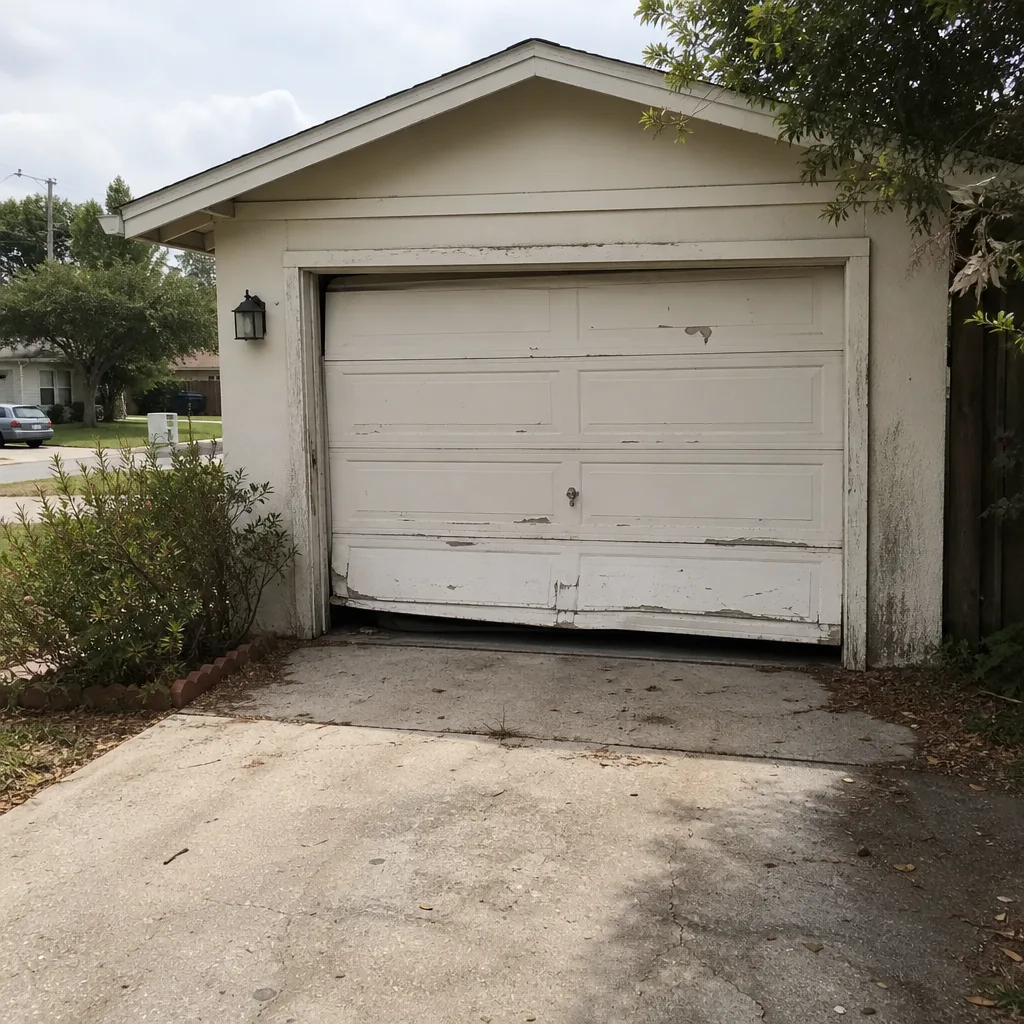 Before
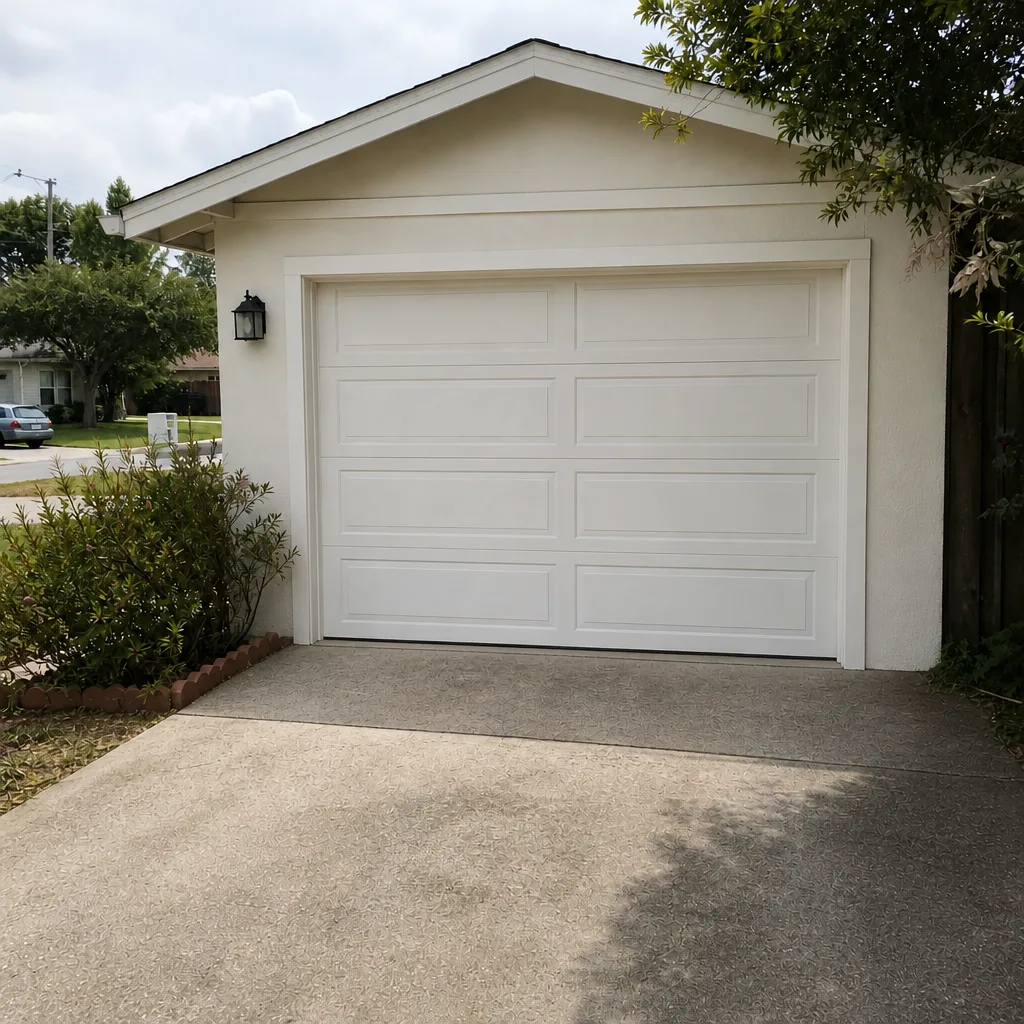 After
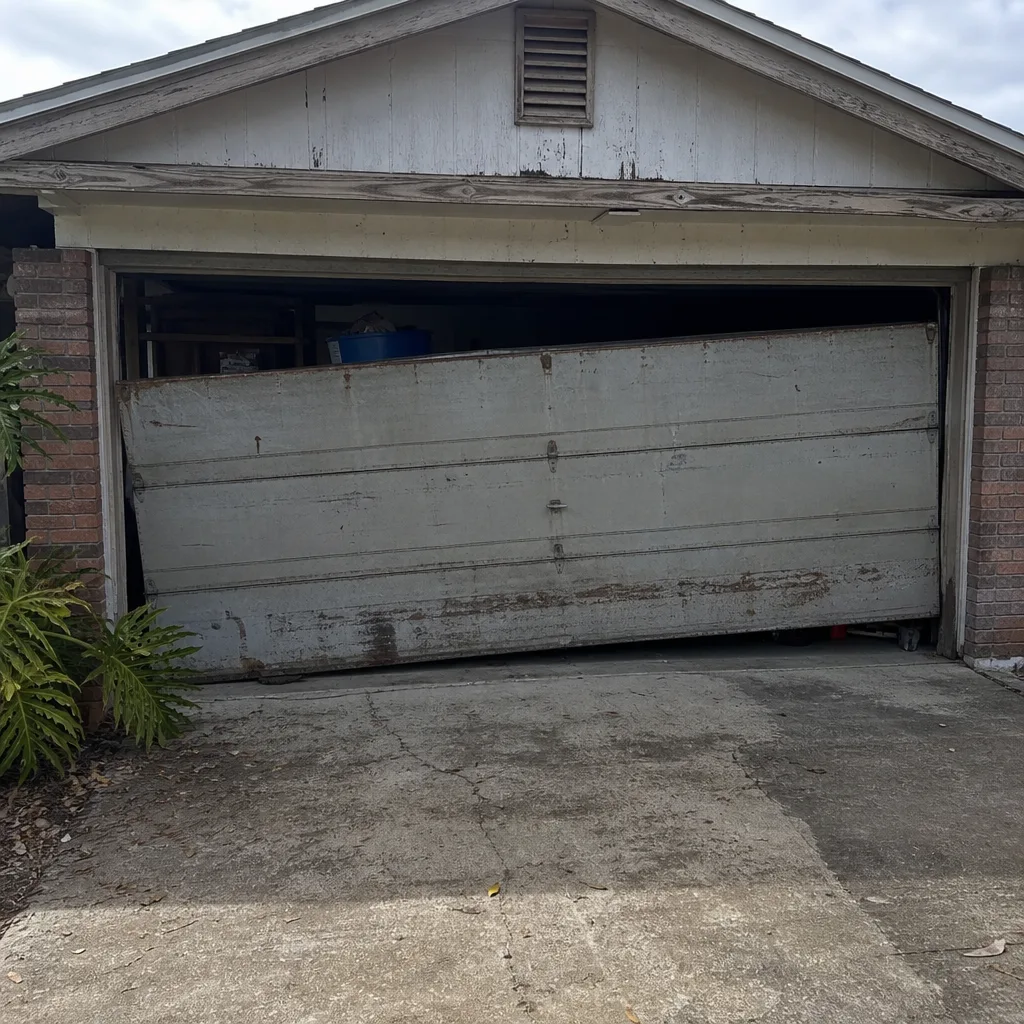 Before
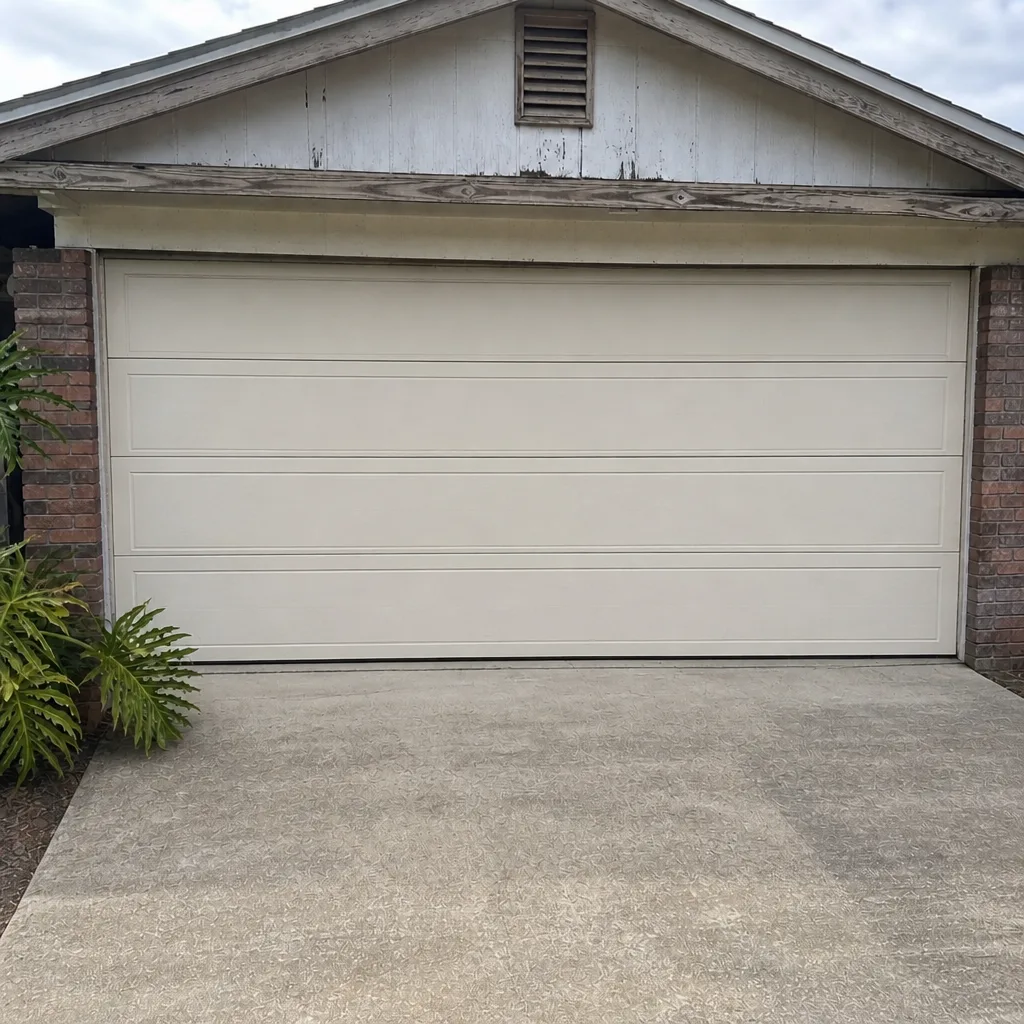 After
When to Call a Professional
Call a technician the moment you’re dealing with torsion springs, extension springs, lift cables, bottom brackets, or the inside of the opener. That’s not being cautious, it’s the correct call for the risk involved. You should also call if the door is off its tracks, if a panel is bent so badly it binds against the frame, or if an opener runs but the door doesn’t move. Clearwater Garage Door Repair Co offers free estimates in Clearwater and works on LiftMaster, Chamberlain, Genie, Clopay, Amarr, Wayne Dalton, Craftsman, and Raynor hardware. Our technicians have up to 12 years of experience, and we’re available for emergency service as a core part of what we do, so a door that fails after hours isn’t a problem to sit on. Call (833) 468-3520 and we’ll diagnose the job on its own terms, whether that’s a single spring or a full replacement.
Frequently Asked Questions
No. A torsion spring holds hundreds of pounds of stored tension, and releasing it wrongly can cause permanent injury in a fraction of a second. Even experienced general contractors call a specialist for spring work, and the same applies to extension springs and bottom brackets. Call (833) 468-3520 for a free estimate and a proper spring repair.
Some opener issues are safe to handle yourself, like replacing remote batteries, re-pairing a remote, and realigning the photo-eye sensors. Anything inside the opener housing, including the control board, capacitor, or motor, runs on household current and always should be handled by a technician with the power off. Call (833) 468-3520 if the opener clicks but the door doesn’t move.
Use the split rule: if the part is holding spring tension or cable load, it’s professional territory; if it’s a seal, a roller, a bolt, or a battery, it’s likely safe for a homeowner. Track work, panel replacement, and balance testing sit in the middle and are doable with the right knowledge. When you’re unsure, call us and describe the job rather than starting.
No. The written estimate sets the final price, and once you agree to it the invoice matches. We don’t start work before you’ve agreed to the price. Call (833) 468-3520 to get a real estimate from a technician who knows your brand.
In some cases, yes. Adhesive weather seals set differently in high humidity, painted fasteners can seize on older doors, and lubricant breaks down faster in hot garages. The spring and cable work itself isn’t made worse by the climate, which is why DIY spring advice from a cooler region doesn’t apply any better here. Call us if you need a climate-appropriate repair plan.
Yes. Emergency garage door service is a core offering, not an upgrade, and we’re set up to respond when a door fails and traps a car. If your door won’t open or close, call (833) 468-3520 and tell us what happened, and we’ll get you the soonest slot that works.
The Bottom Line
The DIY question on a garage door comes down to one thing: does the part store energy? Cleaning, lubricating, battery changes, sensor alignment, and careful balance testing are yours to take on. Seals, rollers, and panel work are doable with the right knowledge and a clear head. Springs, cables, bottom brackets, and the inside of the opener are not, no matter how good the video looks. In Clearwater’s humidity, add a little extra caution around adhesive work and seized fasteners. If you’re staring at a Tier 3 job, the cheapest path is a technician who’s done it before.
If you’re ready to get a specific answer about your door, call (833) 468-3520 for a free estimate. We’ll tell you honestly which side of the line your repair is on and what it should cost, with the price quoted and agreed before any work starts. No second company needed, whether your door is back to working today or you’re planning a replacement later this year.
Written by the team at Clearwater Garage Door Repair Co.