Last updated November 21, 2026
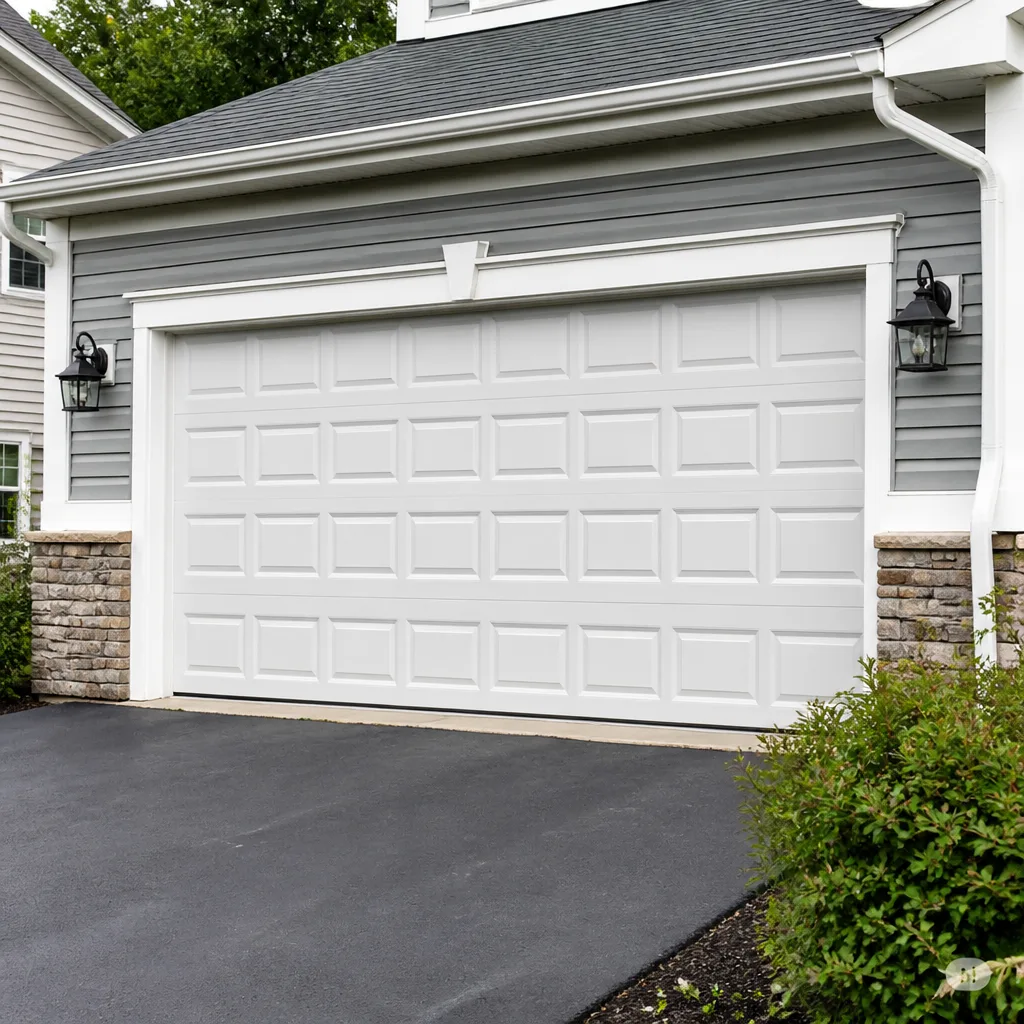 Raised-panel steel
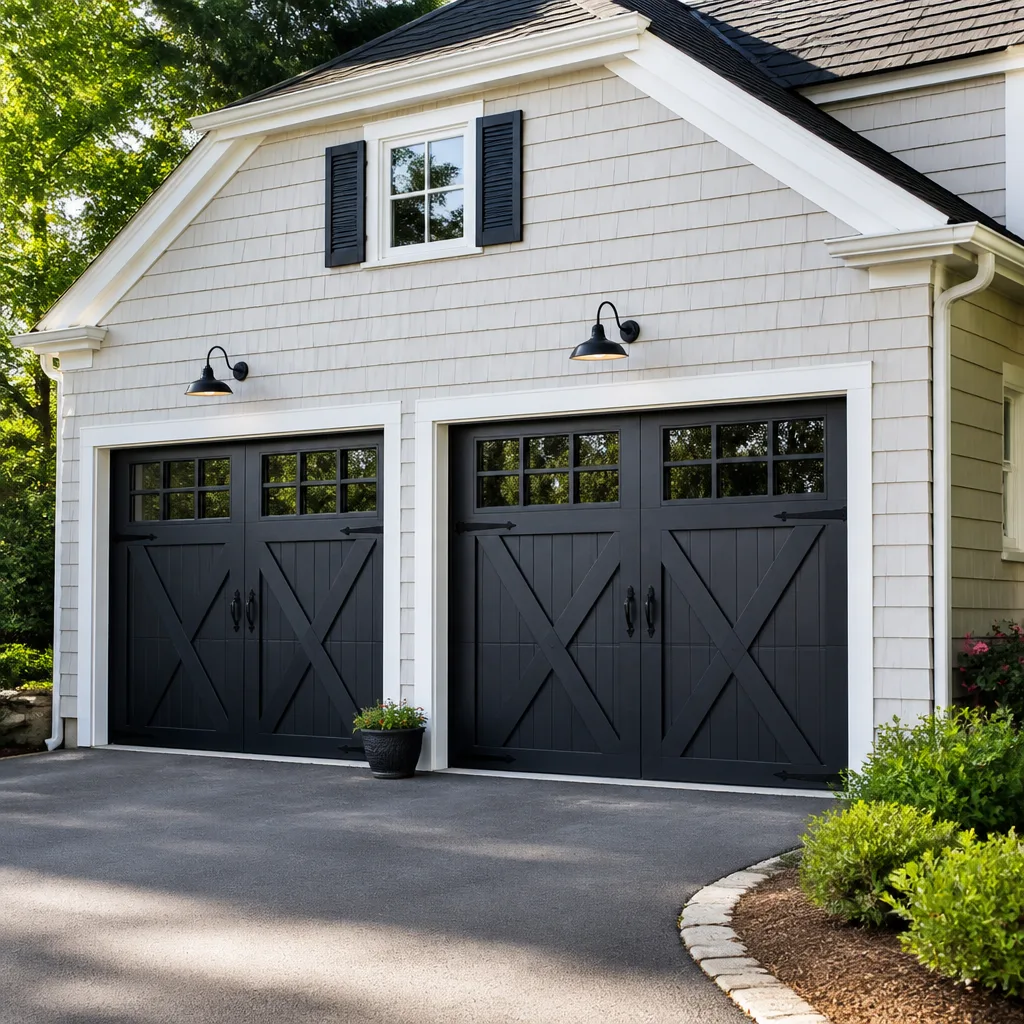 Carriage house
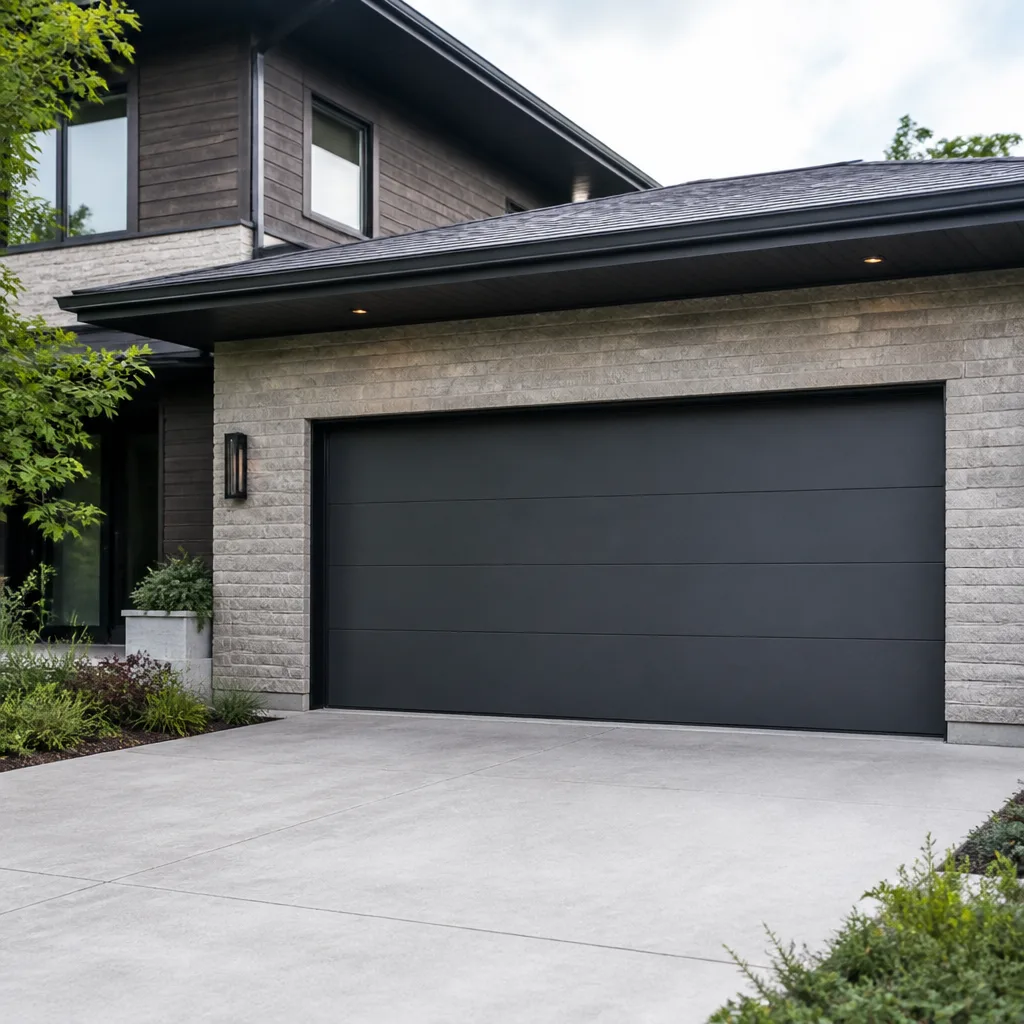 Modern flush
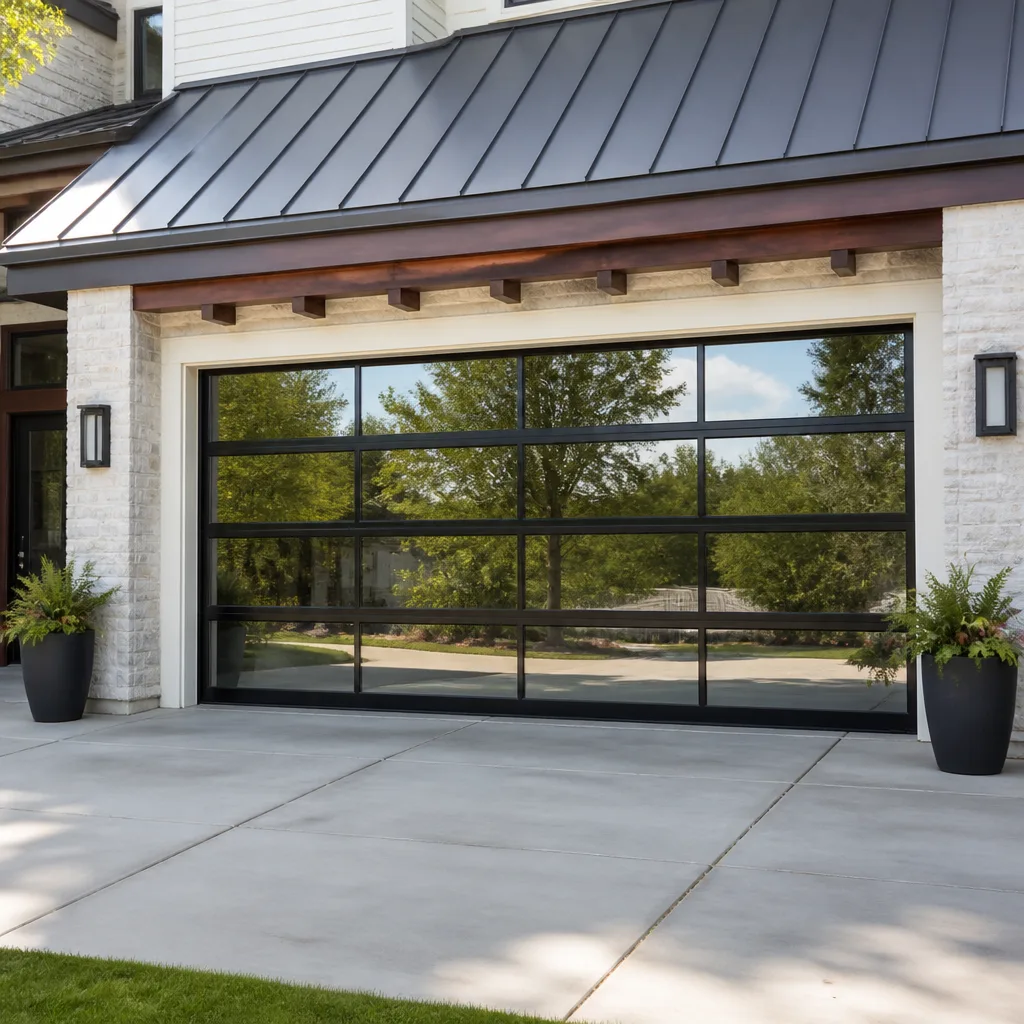 Full-view glass
 LiftMaster openers
 Chamberlain openers
Full 25-point door and opener safety check with every visit - springs, cables, rollers, tracks, and your LiftMaster or Chamberlain opener included
You get a price before we start. It does not change when the pro arrives.
Get your free estimateGarage Door Warning Signs: A Clearwater Homeowner’s Reference Guide
Most garage door failures don’t come out of nowhere. They announce themselves first, sometimes for months, in sounds and behaviors homeowners write off as “normal for an older door.” A door that’s slightly slow to open isn’t simply getting old. It’s usually telling you the spring tension is off and the opener is compensating with extra force, which means you have a narrow window before either the spring snaps or the opener motor gives out. The trick is learning to hear what your door is saying before that window closes. This guide walks through the sounds, the visual cues, the strain patterns, and three quick tests you can run yourself to know whether you’re looking at a scheduled repair or a call-it-today problem. If you live in Clearwater, where the humidity works on metal year-round, reading those signals early saves you a bigger bill later.
Quick Answer
Garage door warning signs fall into three categories: sounds (grinding, popping, scraping, rattling), behavior (slow or jerky movement, reversal, a door that won’t stay level), and visual cues (rust, bent tracks, frayed cables, worn rollers). Any single sign is a prompt to inspect, not necessarily a panic. But popping or snapping from the springs, a door that drops fast on one side, or a visibly frayed cable means stop using the door and call a technician before it fails under load. In Clearwater’s humidity, rust patterns and cable wear tend to surface faster than homeowners expect.
Styles & brands we work with
- Raised-panel steel
- Carriage house
- Modern flush
- Full-view glass
- LiftMaster openers
- Chamberlain openers
Table of Contents
- What Each Sound Is Telling You: A Component-Level Map
- Why Is My Garage Door Opening Slowly?
- Rust Patterns in Clearwater Homes: Surface Corrosion vs. Structural Compromise
- Three Five-Minute Tests: Gap, Alignment, and Balance
- Opener Strain or Mechanical Problem? How to Tell Them Apart
- Severity Triage: Which Signs Allow a Scheduled Repair and Which Need Same-Day Attention
- How Clearwater’s Humidity and Heat Shorten Component Life
- A Simple Inspection Routine for Clearwater Homeowners
What Each Sound Is Telling You: A Component-Level Map
Your door doesn’t make noise randomly. Each distinct sound comes from a specific component, and once you match sound to part, you can describe the problem accurately when you call for service. Here’s the mapping we walk through with Clearwater homeowners again and again.
- Grinding: Usually the rollers or the torsion spring. Heavy, low grinding is often a lack of lubrication on the torsion bar or a roller that’s seized and dragging on the track. High-pitched grinding at one hinge point usually means a bad steel roller. In our experience, grinding shows up more in Clearwater after a stretch of dry weather because the lubricant dries out faster.
- Popping or snapping: This is the most urgent sound on the list. A single loud pop, especially followed by the door going slack or refusing to lift, almost always means a torsion spring has broken. Popping can also come from a cracked hinge plate. Either way, stop using the door.
- Scraping: Metal on metal contact. A track that’s out of alignment, a bent hinge, or a roller that’s worked loose from its bracket can all scrape the door panel or the track. Left alone, scraping metal grinds a groove into the track and the fix goes from an adjustment to a replacement.
- Rattling: Loose hardware – bolts, hinges, brackets, and sometimes the opener’s rail chain. Some rattle is normal as the door crosses over the hinges, but a rattle that’s new or getting louder points to fasteners that have worked loose. A quick tightening is often all it takes.
- Squealing or squeaking: Usually a lubrication issue at the hinges, rollers, or spring. Rarely dangerous on its own, but chronic squealing accelerates wear on the nearby components.
One useful habit: stand in the garage and listen once with the door open and once with it closed. The sound changes as the door moves and helps you pinpoint where it’s coming from. If you can’t trace it, note the pattern – constant, only on opening, only on closing – and tell your technician. That single detail shortens the diagnostic time. When the problem turns out to be in the opener itself, the fix belongs with our garage door opener repair service, and we’ll tell you that plainly.
Why Is My Garage Door Opening Slowly?
A door that’s noticeably slower than it used to be is the most-missed warning sign of all. Homeowners dismiss it as the door “getting older,” and then a spring breaks. Slowness almost always points to one of two things: the mechanical system (springs, cables, rollers) has degraded, or the opener is losing the ability to drive the door at speed. Here’s how to tell which.
First, disconnect the opener. On most openers there’s a manual release cord, usually a red handle, hanging from the rail. Pull it and lift the door by hand. A healthy door lifts with steady, moderate resistance and stays put when you let go halfway up. A door that feels unusually heavy, or that drops on its own, has a spring or balance problem, not an opener problem. That’s the tell. If the door moves easily by hand but crawls when the opener is engaged, the opener is the weak link.
If the opener is the issue, the most common causes are worn drive gears (especially in older units), a slipping drive belt, or a force limit setting that’s been bumped too high. The force setting is a safety feature: it’s the opener’s built-in intelligence that says “if the door meets resistance, stop.” When a worn opener starts losing power, that limit gets adjusted upward to compensate. Then when the door hits something unexpectedly, the opener doesn’t stop. That’s how a slow opener becomes a safety problem.
- Pull the manual release cord and lift the door by hand.
- Note whether it’s heavy, sticky, or drops from halfway up.
- If it’s easy but slow with the opener engaged, the problem is likely the opener drive or force setting.
- If it’s heavy by hand, the spring, cable, or roller system needs attention first.
A note on Clearwater homes: many of the doors we see in Clearwater were installed by the builder and have run for the life of the house. That’s a long service life for a spring set, and it’s not unusual for a spring to weaken gradually before it breaks. The slowdown is the audible warning. Our garage door repair technicians can check spring tension and balance on any brand you have – Genie, Clopay, Amarr, Wayne Dalton – without defaulting to a full replacement.
Rust Patterns in Clearwater Homes: Surface Corrosion vs. Structural Compromise
Rust is the warning sign Clearwater homeowners have to take more seriously than most, because the humidity here is relentless and metal components spend the year cycling between wet and dry. Every garage door rusts a bit eventually. The question is whether the rust you’re seeing is a cosmetic issue on the surface or something eating into a component that carries load. Here’s the rule we use: rust on a painted panel that wipes off with a rag and doesn’t leave a pit is cosmetic. Rust that pits, flakes, or has worked into the metal at a hinge, bracket, or cable anchor is a structural concern that needs inspection.
- Cosmetic rust: Surface orange discoloration on the lower panel or paint scratches. Usually no effect on operation. Repaint and re-seal.
- Roller and hinge rust: Rust at the hinge plates or roller stems is a warning sign of failed lubrication and accelerated wear. A hinge that’s rusted through can fail under load.
- Cable rust: Cables that look rusty or show any frayed strands are a serious safety issue, not a cosmetic one. They carry the door’s weight. If a cable is in this condition, stop using the door and call a technician.
- Track rust: Rust on the track rail surface can create drag and misalignment. Small surface rust is manageable; rust that’s pitted the rail surface is a replacement candidate.
- Spring rust: A rusty torsion spring is a weakened spring. Springs are under the most tension of any component, and rust is one of the factors that shortens their life. A rusty spring that’s also popping or grinding needs a same-day call.
In Clearwater, we recommend a quick visual check of the hinges and cable ends every few months during the rainy season, when humidity runs high and metal never really dries out. Look for orange-brown color and feel for rough texture with a gloved hand at the hinge plates. Don’t try to diagnose a cable or spring with your hands; a visual inspection from a safe distance tells you what you need to know before you call.
Three Five-Minute Tests: Gap, Alignment, and Balance
You don’t need special tools to confirm what a warning sign is pointing to. Three quick tests give you enough information to decide whether you’re scheduling a repair or making an urgent call. Do all three before you pick up the phone, and you’ll describe the problem accurately and save yourself time.
1. The Gap Test
Close the door and stand outside in the driveway. Look at the gap between the bottom of the door and the floor. A consistent, even gap across the width is fine. A gap that’s wider on one side than the other, or a visible light line, means the door isn’t sitting square. That can be a misaligned track, a worn bottom seal, or a balance issue. A gap of more than roughly a quarter inch across the bottom is worth a look by a technician.
2. The Alignment Test
Look at the vertical tracks on both sides of the door. They should look parallel and plumb from floor to ceiling. If one track is bowed, dented, or out of line, the rollers will bind and the door will scrape or drag. Also check the horizontal tracks that carry the door up to the ceiling. Any visible bend or separation from the wall is a warning sign. Don’t try to force a bent track back into shape with a pry bar; it’s more likely to crack than to straighten.
3. The Balance Test
Close the door, pull the manual release, and lift the door with your hands until it’s about halfway up. Then let go. A well-balanced door stays where you put it. A door that drops fast or sinks on its own is out of balance, which means the springs aren’t carrying the door’s weight properly. This is the test that most reliably distinguishes a spring problem from a cosmetic issue. Do this with the door itself, not the spring hardware, and never put your hands near the springs, cables, or hinges while the door is up. The springs hold enough stored energy to cause serious injury, so a professional should handle any adjustment.
Opener Strain or Mechanical Problem? How to Tell Them Apart
The most common misdiagnosis in garage door service is blaming the opener for a door problem. If the door moves slowly or inconsistently, homeowners assume the opener is failing and start shopping for a new one. Half the time the opener is fine and the door is binding. Here’s how to separate them.
Run the manual release test. If the door is heavy or drops by hand, the door is the problem, and no opener replacement will fix it. If the door moves smoothly by hand but the opener labors, the opener is the issue. Then watch the opener’s behavior closely during a normal cycle.
- Opener strain signs: The motor runs but the door hangs or hesitates, the opener makes a rhythmic clunking, you can hear the drive belt or chain slipping, or the opener stops partway and reverses. These point to opener gears, the drive belt, or force settings.
- Mechanical door signs: The door moves at inconsistent speed, one side leads the other, the door tilts as it opens, or the track visibly flexes. These point to the door itself, not the opener.
- Both at once: A worn door forces the opener to work harder, and a straining opener can hide a door problem by pushing past it. When both are aging, we often find the two are layered problems that need to be addressed together.
We’re trained on Genie, Clopay, Amarr, Wayne Dalton, and five other major brands, so we don’t guess at the hardware. We work on your brand with the diagnostics in front of us, and we’ll tell you whether the opener needs a repair or the door needs a balance adjustment. No second opinion needed, no second company called. If the door turns out to be at the end of its life, we can also handle the garage door installation under the same roof, and you won’t have to coordinate between two contractors. For the full range of services, start with Clearwater Garage Door Repair Co.
Severity Triage: Which Signs Allow a Scheduled Repair and Which Need Same-Day Attention
Not every warning sign is an emergency. Some are a “call this week” issue. Others are “stop using the door and call now.” Getting the triage right protects your car, your family, and your budget. Here’s the breakdown we use with Clearwater homeowners when they call us to describe what they’re seeing.
Signs that allow a scheduled repair
- Gradual slowdown over several weeks without any other symptoms
- Squeaking or light squealing from the hinges
- Cosmetic rust on the panels or light surface rust on the track
- A rattle that’s new but doesn’t change the door’s movement
- A single loose hinge that’s not bent or rusted through
These are worth scheduling within a normal service window. Letting them go for months is what turns a small fix into a bigger one – a slow door that ignores the warning eventually stops opening.
Signs that need same-day attention
- Any loud pop or snap, especially with the door going slack or refusing to lift
- A door that drops fast on one side or falls on its own
- Visible cable fraying or a cable that looks loose or snapped
- A door that reverses unexpectedly on the way down
- A door that opens unevenly, with one side leading or trailing
- Grinding that’s come on suddenly and is getting louder by the day
These are the calls we treat as urgent. The springs and cables hold enough energy that a failure under load can damage the door or hurt someone standing nearby. If any of these signs show up after hours or at the wrong time of day, call us and we’ll get you on the schedule for the earliest available window, including early mornings or Sundays, so you’re not stuck without a working door.
How Clearwater’s Humidity and Heat Shorten Component Life
Clearwater’s climate is mild compared to the rest of the country, and that’s actually part of the trap. Homeowners from colder regions expect the door to need work after a hard winter and are surprised when the south-facing door here starts squeaking in June. The reality is that Clearwater’s humidity and heat do damage in a slower, quieter way than a freeze does, and it’s easy to miss.
Heat expands the metal components and softens the lubricant, so a door that’s lubricated for a mild climate will dry out faster here. Humidity keeps metal surfaces cycling between wet and dry, which is the ideal condition for rust to take hold on the hinges, roller stems, and spring hardware. The combination means Clearwater garage doors tend to need lubrication and rust inspection more often than the manufacturer’s default schedule suggests. A door facing west that gets the afternoon sun will run hotter than one in shade, and its lubricant will dry out sooner.
Spring life is also shortened by heat, because a steel spring under constant tension loses some of its strength at higher temperatures. That doesn’t mean every Clearwater door will fail early – but it’s the reason a door that’s still opening on old springs in Clearwater is often closer to the end than the homeowner realizes. If your door is slow or noisy, and it’s been a while since the springs were checked, that’s a good reason to have a technician look at it now, before it fails.
A Simple Inspection Routine for Clearwater Homeowners
A five-minute check every few months is the best defense against a surprise failure. Here’s the routine we recommend.
- Listen: Open and close the door slowly, then at normal speed. Note any new sounds or changes.
- Look at the bottom gap: Stand outside and check for a level gap across the floor line.
- Check the tracks: Look for dents, bends, or separation from the wall on both sides.
- Check rust at the hinges and cable ends: From a safe distance, look for pitting or flaking, not just discoloration.
- Run the balance test: Pull the manual release, lift halfway, and let go. It should stay put.
- Test the safety reverse: Place a piece of wood or a rolled towel under the closing door and confirm the door reverses on contact.
Keep a simple log of anything you notice. A note like “grinding at the left hinge, started last week” helps a technician diagnose faster and stops the fix from growing into something bigger. If you’d rather have a trained eye look at it, we offer free estimates in Clearwater.
Common Mistakes to Avoid
- Assuming slow is just “old.” Slow doors are telling you about spring tension and opener strain, not age alone. Waiting it out is what turns a repair into a failure.
- Turning up the opener force setting to compensate for a binding door. That setting is a safety feature. Raising it to force a binding door to move defeats the safety reverse and makes the door more dangerous.
- Trying to lubricate the springs, cables, or hardware yourself. Springs are the highest-tension component in the system, and cables carry the door’s full weight. They don’t need lubrication from a homeowner; they need a trained eye.
- Ignoring rust in Clearwater. Cosmetic rust is fine, but rust that pits a hinge or a cable end is a structural warning, and this humid climate accelerates it.
- Calling a general handyman for a spring or opener problem. We’ve seen doors made worse by a generalist guessing at spring tension. Springs need a specialist.
- Shopping for a new opener before diagnosing the door. Half the “opener problems” in Clearwater are door problems in disguise. Get the door checked first.
- Skipping the safety reverse test. It’s a five-second check and the most important safety feature in the whole system.
See the difference
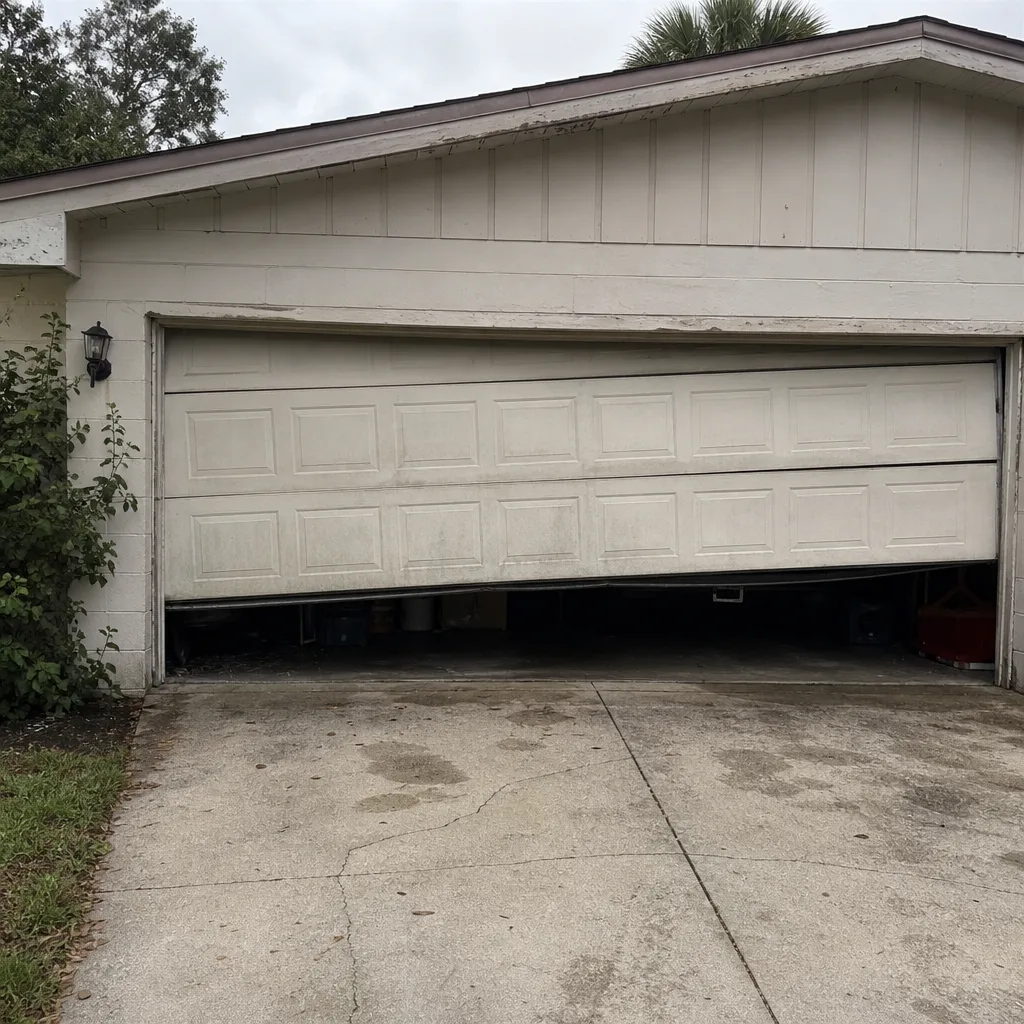 Before
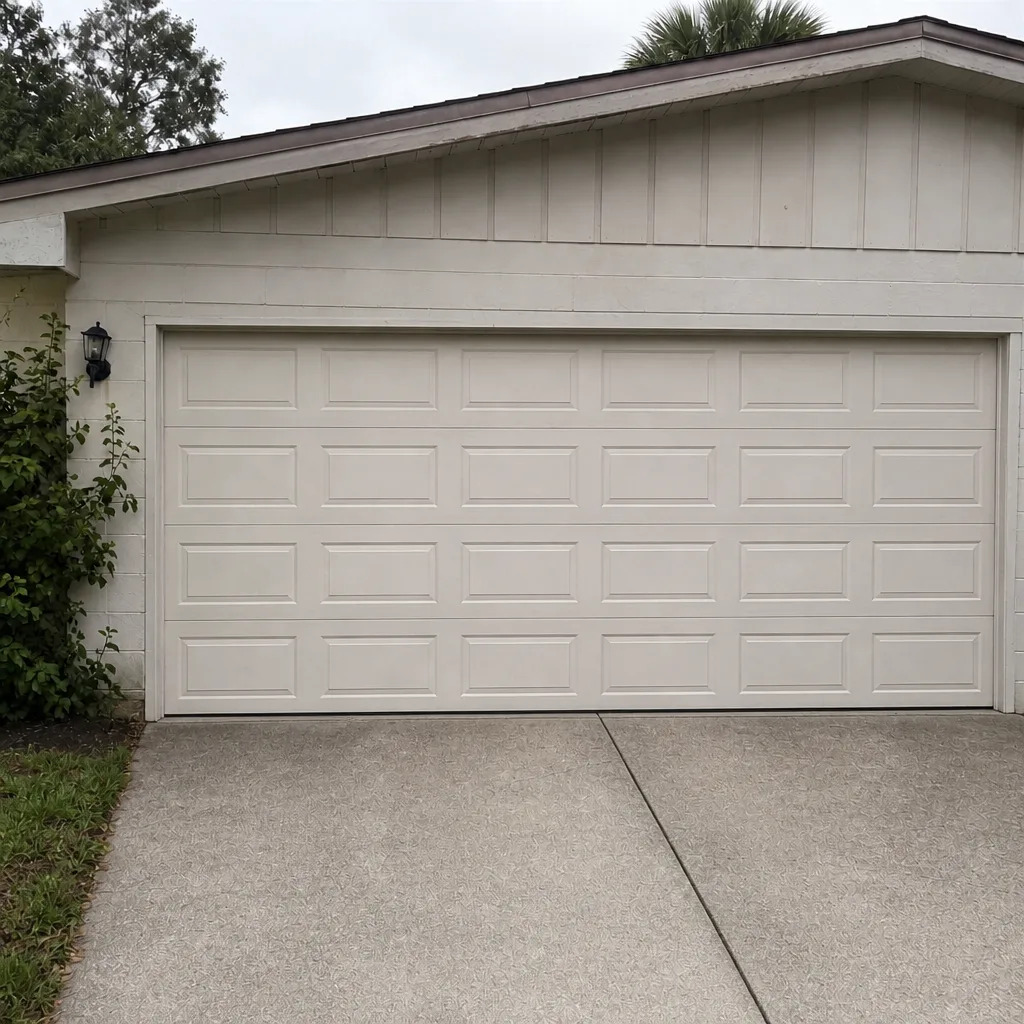 After
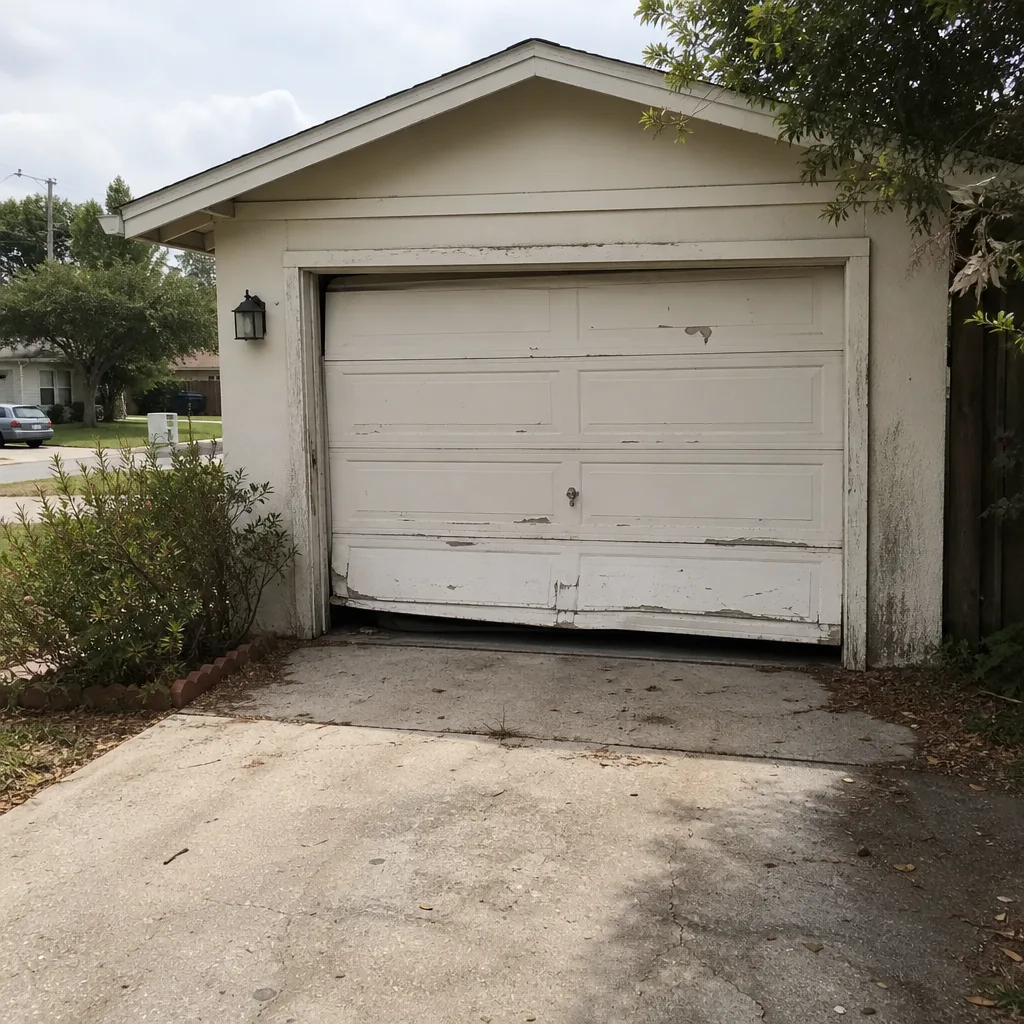 Before
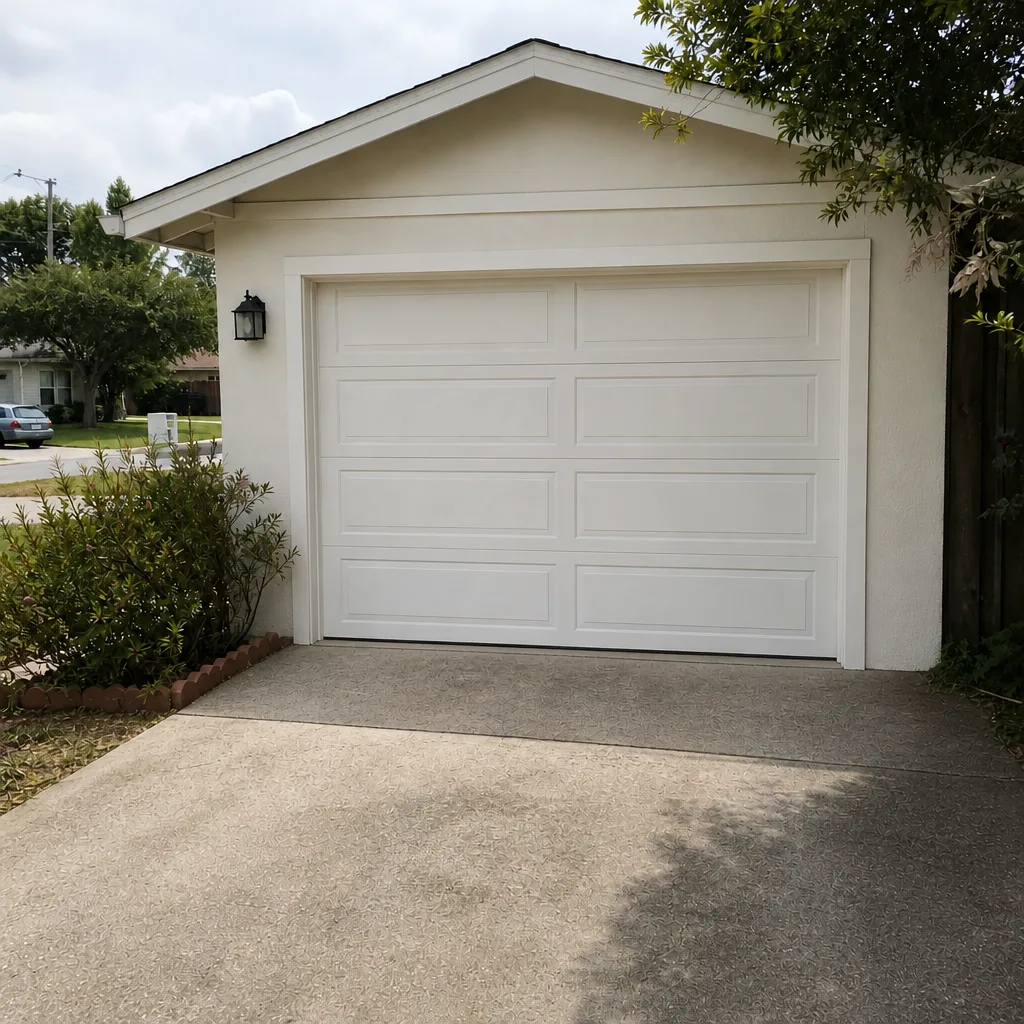 After
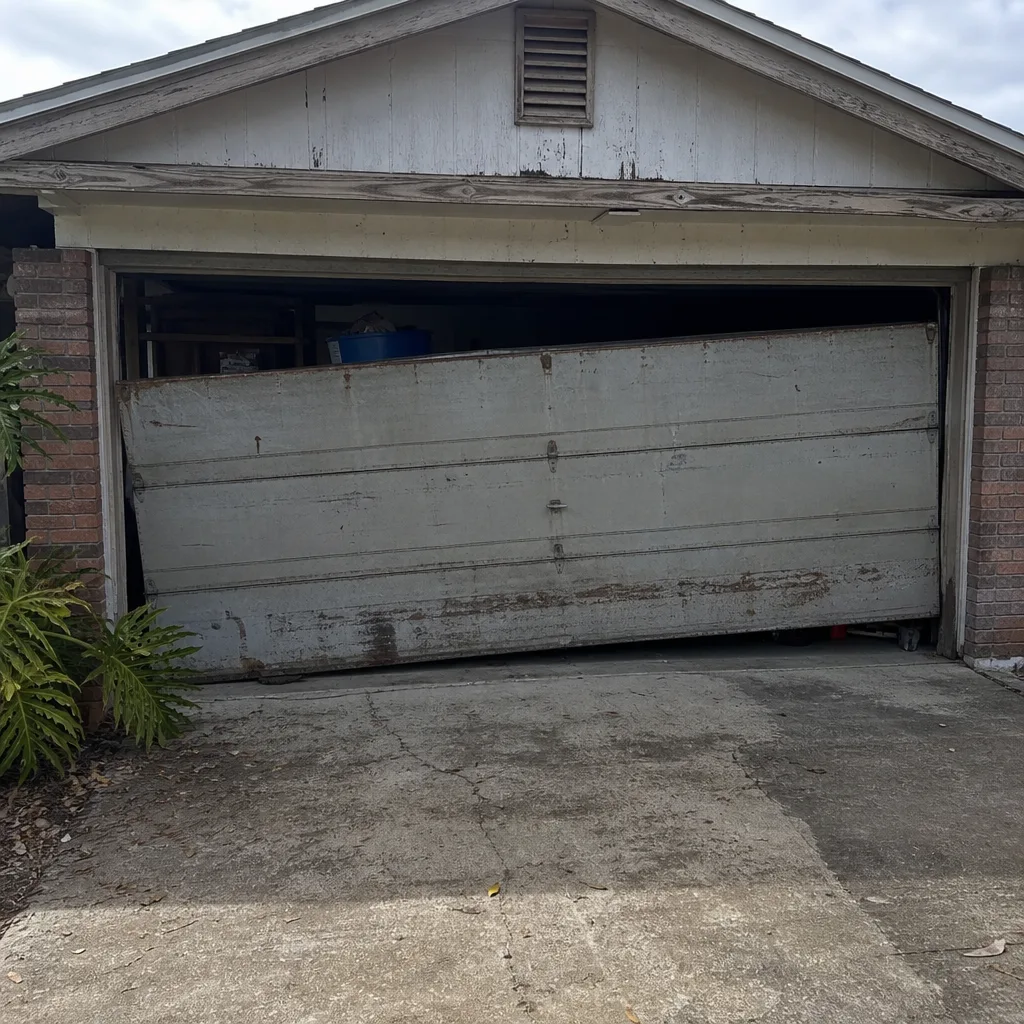 Before
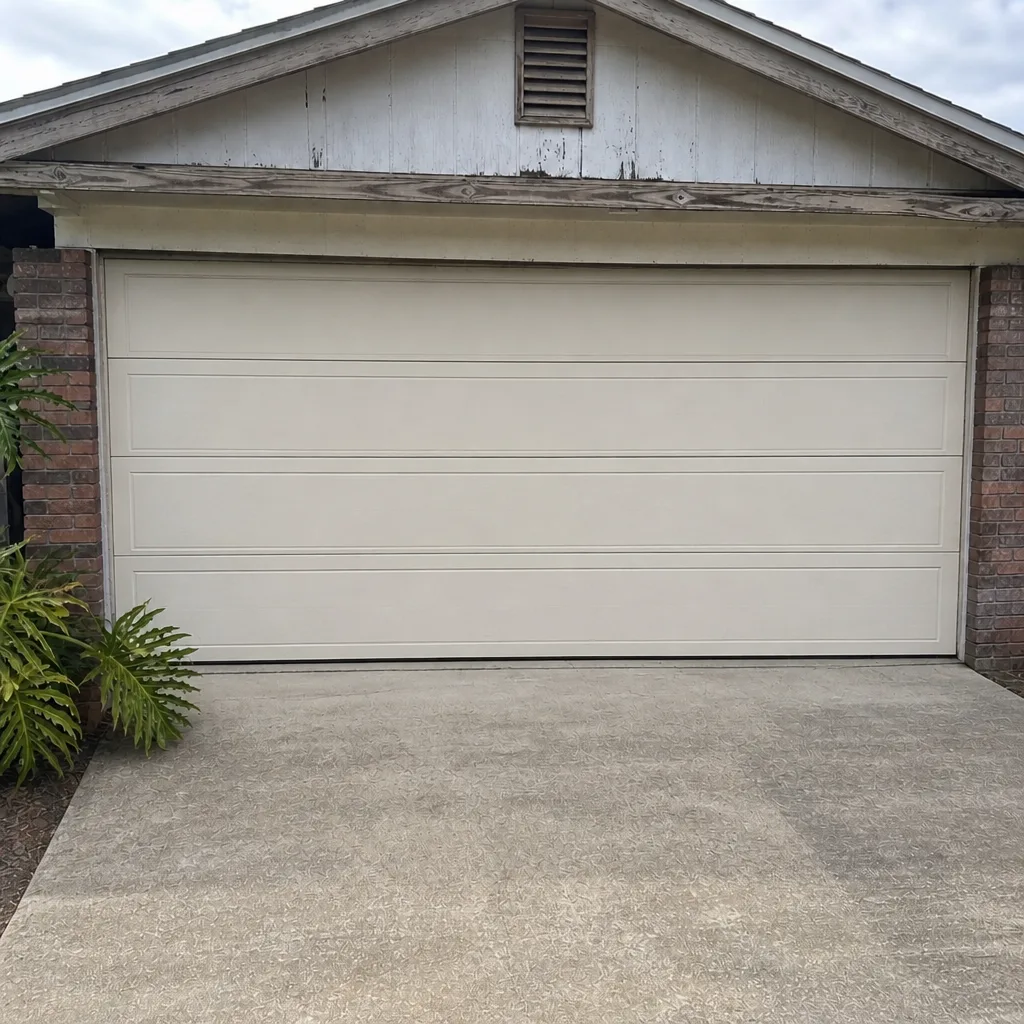 After
When to Call a Professional
Call a technician immediately if you hear a pop or snap, if the door drops on one side, if a cable is frayed or loose, or if the door won’t stay balanced when you release it halfway. Schedule a visit within the week for grinding, scraping, a persistent rattle, or a door that’s noticeably slower than it used to be. If rust has pitted your hinges or cable ends in Clearwater, that’s worth a look before the next humid stretch. Clearwater Garage Door Repair Co offers free estimates in Clearwater. Our technicians have up to 12 years of experience, we work on your brand, and we tell you what the door needs without pushing a replacement you don’t need. Call (833) 468-3520 to get on the schedule.
Frequently Asked Questions
Typical spring repair in Clearwater runs in the low-to-mid hundreds per spring, and most doors use a matched pair, so a full replacement costs roughly twice that. A single spring and a pair are different jobs, and the estimate reflects which you need. The written estimate we give you before any work starts is the price you pay – there are no surprises on the invoice. Call (833) 468-3520 for an exact quote, and estimates are free.
Yes. Emergency garage door service is a core part of what we do, and a stuck door is exactly the kind of call we prioritize. If your door is stuck open or closed, tell us what you’re hearing and we’ll get you scheduled for the earliest window. Call (833) 468-3520 and we’ll find a time.
No. We quote the price and agree it with you before any work starts. If we find something different from what you described on the phone, we’ll tell you what we found and re-quote before touching anything. You’ll be told the price in advance and the final invoice matches what we agreed. Call (833) 468-3520 for a free estimate.
The local professional we connect you with is licensed and insured as their state requires. We work with vetted local technicians, and we’ll answer any question you have about credentials before the work starts. Call (833) 468-3520 to ask.
A grinding sound usually means a seized roller, a dry torsion bar, or a track that’s out of alignment. If the grinding started suddenly and is getting louder, treat it as urgent, because a grinding track can fail under load. If it’s a light, steady grind, schedule a repair within the week. Call (833) 468-3520 for an exact diagnosis.
A broken or weakening spring, without question. Springs hold the door’s full weight under high tension, and a failure under load can send the door down or throw hardware. A loud pop followed by a door that won’t lift is the classic sign. Don’t try to lift or operate the door, and call a technician. Call (833) 468-3520 and we’ll get someone out.
The Bottom Line
Your garage door tells you what’s wrong before it fails – if you know what to listen for. Grinding, popping, scraping, and rattling each point to a specific component. Slowness usually means spring tension or opener strain, and the manual release test tells you which. Rust in Clearwater needs more attention than it does in drier climates, and the three five-minute tests – gap, alignment, and balance – confirm what a warning sign is pointing to. Some signs allow a scheduled repair; others need same-day attention. The difference matters. If you’re not sure which category you’re in, get a trained eye on it before the fix grows.
Contact
If you’ve read this guide and recognize a sign or two in your own door, don’t wait until it stops opening. Call Clearwater Garage Door Repair Co at (833) 468-3520 for a free estimate. Our technicians have up to 12 years of experience, we’re trained on eight major brands including Genie, Clopay, Amarr, and Wayne Dalton, and we work on your brand without pushing you toward a product line. We can diagnose, repair, or handle a full replacement if that’s what the door needs, and you’ll get a written price before any work starts. Give us a call and we’ll get your door back to working right.
Written by the team at Clearwater Garage Door Repair Co.